Why Vacuum Casting Suits This Batch
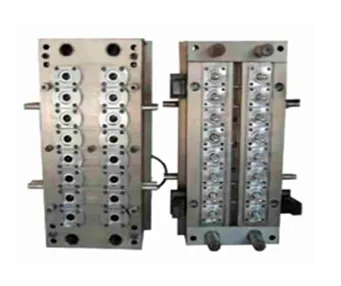
For 30 sets, an injection mould may require more tooling investment than the development build warrants. CNC machining can produce an accurate master, but machining every plastic part separately may increase finishing time and cost. Small batch plastic vacuum casting uses a finished master to create silicone moulds, then reproduces the part in polyurethane resin. We plan the number of moulds and expected castings per mould according to the geometry, finish and schedule; one mould should not be assumed to yield all 30 sets.
This process gives the engineering team prototype parts for visual review and assembly trials before committing to production tooling. PC-like describes a polyurethane casting resin selected to approximate certain characteristics of polycarbonate; it is not injection-moulded PC. If heat resistance, impact performance, UV exposure or a specified automotive material standard is critical, we review the test conditions and resin data before selecting the grade. Validation in the intended production material may require a different process.
The Surface Finish Starts With the Master
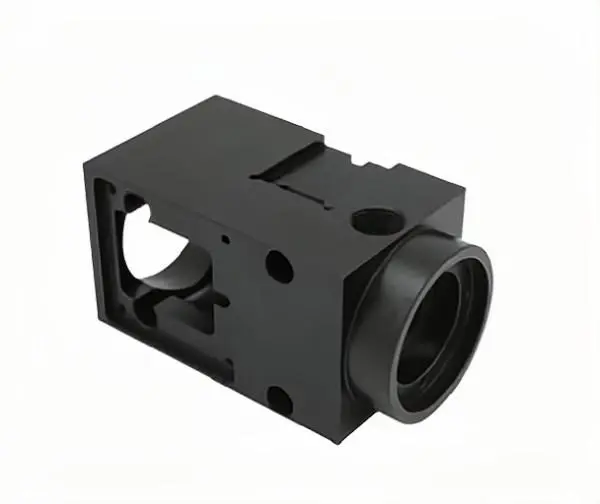
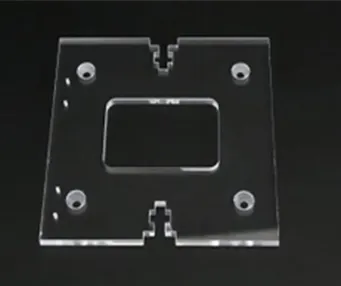
The project photograph shows a long opening with a recessed area. We review the CAD model for parting line placement, casting access and areas where trapped air or flash could affect the visible face. A master pattern is then manufactured and refined before the silicone mould is made. Marks on the master can transfer to the mould and appear repeatedly on cast parts.
The requested sandblasting, polishing and spray painting are planned by surface. Sandblasting creates a matte texture where specified; polishing refines faces that need a smoother finish; painting provides the agreed colour and sheen. The finish reference, sequence and any masking are confirmed against the drawing or an approved sample. We check painted parts for coverage, visible marks and fit, because coating thickness can matter at mating features.
One Project for Plastic and Metal Prototypes
YS Rapid can coordinate the master pattern, silicone moulds, casting, finishing and final checks within one prototype project. If the automotive assembly also needs CNC-machined metal brackets, turned fasteners or other development components, we can arrange them alongside the plastic parts and check selected interfaces before shipment. This keeps the 30 sets organised for evaluation and reduces the work of coordinating separate prototype suppliers.
Before quoting, we ask for a STEP file and drawing, the number of different parts per set, marked cosmetic surfaces, colour reference, assembly interfaces and the intended evaluation conditions. We then confirm the resin choice, proposed mould split, surface finish, inspection points and schedule for the complete prototype set. Dimensions and performance claims are agreed against the drawing and material data.
Request a Quote for Your Automotive Prototype Build
Looking for low volume vacuum casting services for an automotive prototype or a pre-production build? Send YS Rapid your CAD files, target quantity, intended tests and finish requirements. Our low volume urethane casting services can cover the PC-like plastic components, while CNC machining and other prototype processes help bring multi-part sets together for evaluation.
We will review whether vacuum casting is suitable for your part, identify features needing special attention and return a practical process and quotation for your small-batch build.
 EN
 jp
 ko
 fr
 de
 es
 it
 pt
 tr
 ar
 iw