First, identify the features that control assembly
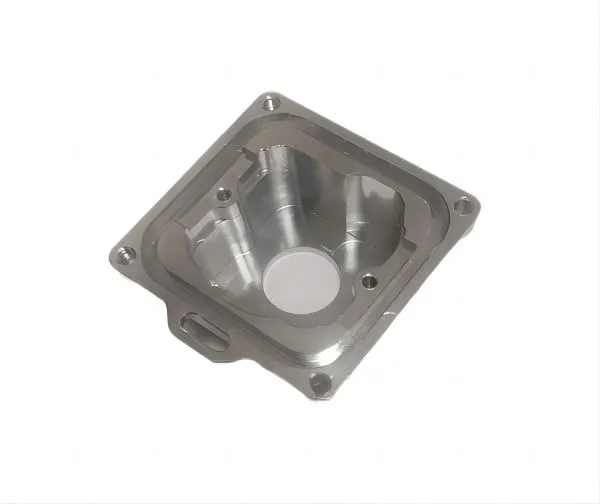
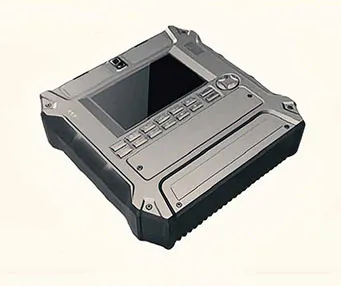
The CAD review starts at the mating edges and mounting points, then works inward. The long perimeter must retain the intended shape; the tabs and bosses need to sit in the correct locations; and the deep cavity, ribs and curved walls must be accessible to the chosen mould split. Thin features and undercuts deserve particular attention because they can complicate demoulding or become damaged during handling.
These checks guide the master pattern. A master with a smooth outside but inaccurate contact surfaces would reproduce the wrong geometry across the batch. Before making the silicone moulds, YS Rapid reviews the master against the supplied model and drawing, with priority given to the dimensions the customer will actually test. Any necessary parting lines, local cuts or release strategy can then be planned around the critical surfaces.
Plan the silicone mould around the internal geometry
The silicone tooling must reproduce both the exterior shell and its internal features. The mould split is planned so the part can be released while protecting the long edges, mounting tabs and fine ribs. Gate and vent positions are assessed around deep sections and feature-dense areas to help the resin fill the cavity consistently.
The approved master is used to make the mould, and black PP-like polyurethane is cast under vacuum. The same process is also called urethane casting. The cast material is selected to approximate relevant characteristics of PP for the agreed prototype tests; it is not the same material as injection-moulded polypropylene. Material selection should be checked against the customer's actual test conditions.
Silicone moulds have a limited useful life. For a 50-set order, the production plan may use multiple moulds, with samples checked throughout the run for changes at the perimeter, mounting features and other agreed points. After casting, parts are demoulded, gates and flash are trimmed, and the specified features are inspected before shipment.
What the 50-set batch can reveal
For this programme, custom urethane cast prototypes give engineers multiple copies of the housing to handle and assemble before committing to production tooling. The batch can support installation trials, checks of clearances and fixing points, and comparison of design revisions. A physical test can reveal an interference at a boss or an awkward mounting tab that is easy to miss in a screen review.
The scope of the test matters. PP-like resin can serve fit and design evaluation, but its heat resistance, ageing behaviour and other properties should not be assumed to match the intended production PP grade. If a test depends on final-material performance or a sealing requirement, those criteria should be stated in the RFQ so the resin, process and inspection plan can be assessed before manufacture.
Coordinate the housing with the rest of the assembly
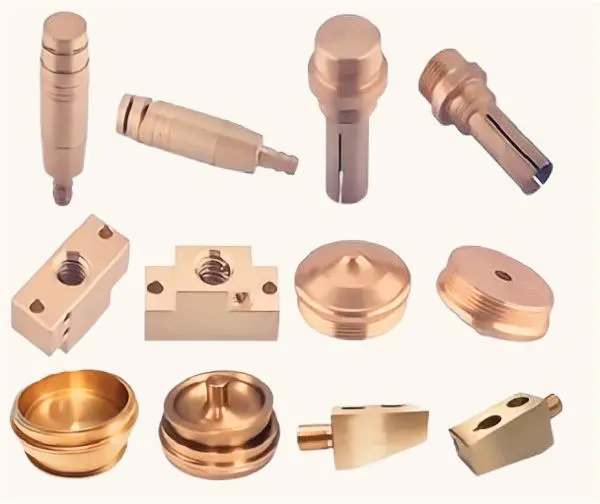
YS Rapid's urethane casting prototype service covers the master, silicone moulds, casting, trimming and agreed inspection for the housing. Where a light assembly also needs CNC-machined metal brackets, additional plastic prototypes or a fit check between components, those items can be coordinated as part of the same prototype programme. That keeps the engineering discussion focused on how the pieces work together.
In Italian project documentation, the process can be described as colata sottovuoto con stampi in silicone and the parts as prototipi di alloggiamento del faro in poliuretano simil-PP. Suppliers may also call the process repliche siliconiche. In each case, the material description should make clear that the cast resin is PP-like polyurethane rather than production PP.
Planning a similar housing trial? Send YS Rapid the 3D model, drawing, quantity per set, intended production material and test plan. We can review the critical features and propose a practical way to make the prototypes.
 EN
 jp
 ko
 fr
 de
 es
 it
 pt
 tr
 ar
 iw