The master pattern determines the finish of clear castings
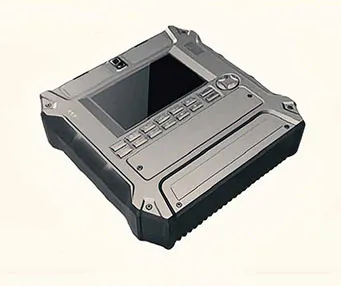
The silicone mould reproduces the master pattern, including unwanted print lines, tool marks and scratches. On a transparent component, these defects are especially visible across a broad curved surface. Preparing an excellent master is therefore central to producing a consistent batch: its visible faces need progressive finishing and polishing, while the shape must remain true to the design.
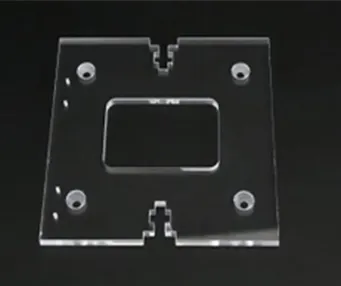
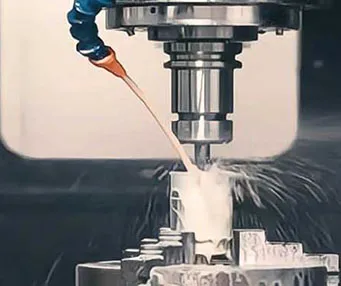
The work begins by marking cosmetic faces, mating edges and critical features on the CAD model. Depending on the geometry, the master may be CNC machined or made by high-resolution 3D printing, then sanded and polished. Before forming the silicone mould, we examine the clear faces under suitable lighting for residual lines and waviness. We also check that polishing has not rounded an edge, changed the recessed profile or shifted a critical interface.
Silicone moulding and first-part approval
After the master is approved, we plan the mould parting line, resin inlet and vents around the curved cavity. Their locations affect where seams and trimmed areas appear on the finished part. We cast the transparent resin under vacuum to reduce trapped air, then cure, demould and finish the parts as agreed. This process reduces bubble risk; mould layout and part geometry still need attention.
We review the first casting before proceeding with the full batch. Inspection covers bubbles and haze in specified visible areas, surface marks, seam placement, the recessed feature and key dimensions on the drawing. A mating sample or assembly drawing helps verify interfaces where fit matters. Once the appearance criteria are agreed, the first part serves as a reference for the remaining castings.
The required level of clarity should be agreed before production. A part intended for visual assessment has different requirements from a light guide or a component exposed to heat and sunlight. If your automotive test specifies light transmission, haze, UV exposure, temperature or an OEM material standard, please share the acceptance criteria. We can then review the resin data and identify which requirements need separate testing.
Why choose vacuum casting for 15 prototypes?
For around 15 clear parts, a silicone mould provides multiple comparable prototypes for appearance reviews and assembly trials without committing to an injection mould while the design is under development. The master and its surface finish receive particular attention because any defect transferred into the mould can appear throughout the run.
If the next stage requires actual polycarbonate, tight optical specifications or higher volumes, the team can evaluate CNC machining or injection moulding against the new requirements. Feedback from the prototype batch can inform the final design and tool specification.
Questions engineers ask about clear vacuum cast parts
Are these parts made from real polycarbonate?
No. The castings use a transparent PC-like polyurethane. If a test requires a specified polycarbonate grade, send us the material and test requirements so we can evaluate another manufacturing route.
Can a polished master guarantee an optically clear part?
Polishing improves the surface copied by the silicone mould, but final clarity also depends on the resin, mould condition, part geometry, casting and finishing. Specify any measurable transmission or haze requirement before ordering. A visual prototype should not be assumed to meet optical-grade specifications.
What information helps you quote a 15-part run?
The 3D CAD model, a drawing with critical dimensions, marked visible surfaces and the intended test or assembly conditions allow us to assess the master, mould and inspection plan.
Request a quote for transparent automotive prototypes
Send YS Rapid your 3D CAD model, drawing, quantity and a note marking the visible faces. Include any critical dimensions, mating components, clarity targets and test conditions. We will review the master finishing, clear casting material, mould layout and inspection approach for your prototype run.
 EN
 jp
 ko
 fr
 de
 es
 it
 pt
 tr
 ar
 iw