What we review before tooling
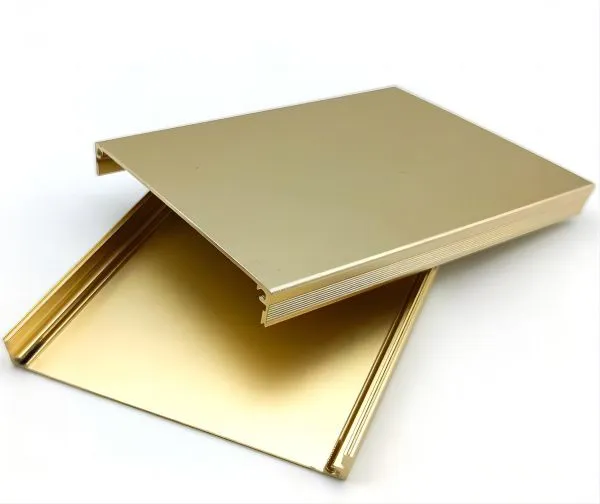
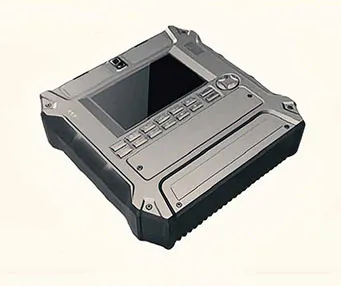
The visible design combines a raised cover with a comparatively broad flange and several attachment points. For this type of plastic enclosure, our design for manufacture (DFM) review examines the cover-to-flange transition, wall and rib proportions, draft, fixing-hole features, gate location and proposed parting line. These choices influence filling, demoulding, appearance and assembly.
We ask for mating-part information where the housing needs to align with a base, fasteners or a seal. Critical dimensions and the surfaces that must remain free of visible gate or ejector marks are agreed on the drawing before the mould design is released. If changes would improve mouldability or reduce tooling complexity, we submit them for customer approval rather than silently changing the part.
Prototype, trial tool and production mould options
Product teams do not all enter the project at the same stage. We can help with a functional prototype for an early fit check, then use prototype injection mould tooling when the team needs actual moulded PC parts for testing. A trial run allows engineers to review assembly, appearance and material behaviour before deciding on the final production plan.
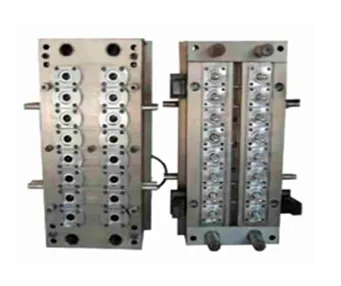
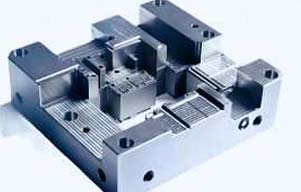
For an approved design and expected repeat volumes, we build the production mould and submit initial moulded samples for evaluation. We review drawing dimensions, fixing features, colour and surface finish with the customer, make any agreed tooling adjustments, and obtain sample approval before batch production. The prototype and production moulds are separate options where the project requires both; a customer with a finalised design can proceed directly to production tooling.
Flame-retardant PC with a custom colour
Electrical housings often have material requirements that cannot be judged by appearance alone. We select the PC grade against the customer's specified flame rating, part thickness, mechanical requirements and requested documentation. The exact grade and approved colour formulation need to be checked together: pigment or additive changes can affect material properties. A resin's published flame rating must not be presented as automatic certification of the finished enclosure.
Customers can provide a colour code and, preferably, a physical reference. We prepare a moulded colour sample for approval because colour appearance can vary with resin, surface finish and lighting. Once approved, the resin grade and colour reference become part of the agreed production specification.
Repeatable injection moulding and coordinated supply
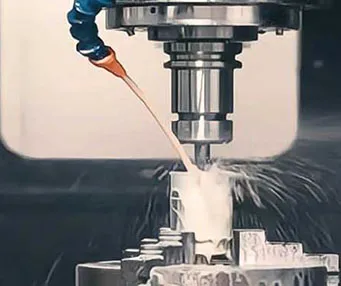
During each batch, we check the housing against the approved sample and drawing, including its visible surface, attachment features and specified critical dimensions. Packaging is selected to protect the appearance in transit. If a product also needs CNC-machined metal parts or other plastic components, YS Rapid can coordinate their manufacture and combined shipment.
This gives European development teams a single point of contact for plastic enclosure prototyping, injection mould tooling, colour-approved samples and batch injection moulding. The scope can be tailored to the design stage and purchasing plan.
Request a quotation for your enclosure
Send your 3D CAD file and 2D drawing, required flame rating and any material documentation, colour reference, expected batch and annual quantities, mating-part details and delivery destination. We will review the mould approach, sampling plan and batch-production scope for your custom electrical enclosure.
 EN
 jp
 ko
 fr
 de
 es
 it
 pt
 tr
 ar
 iw