CNC prototype machining for fit and design review
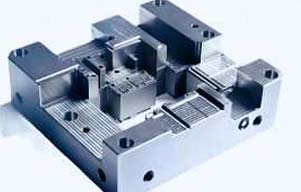
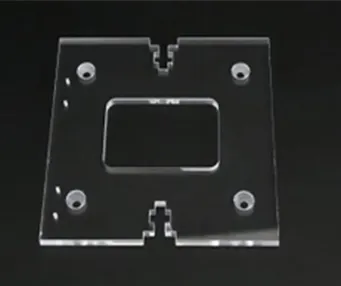
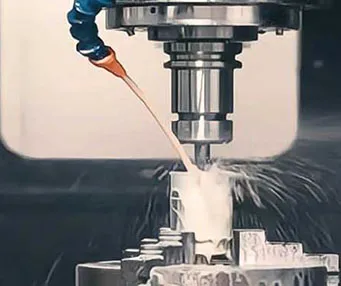
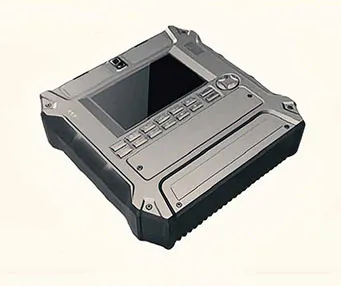
CNC machining a PC prototype gives the product development team a physical housing to evaluate before production tooling. It can be held to assess the grip and display angle, then fitted with the available electronics, display, controls and mating components to check clearances and assembly access.
The display aperture, button holes, mounting features and shell joint are useful review points. A product team can update the CAD design while changes are still relatively straightforward. The machined prototype confirms the design's form and preliminary fit; it does not establish the surface or dimensional behavior of the eventual injection-molded part.
DFM review and production tooling for the PC enclosure
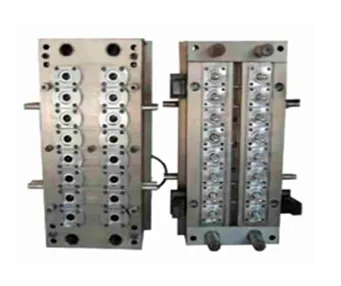
After prototype approval, the CAD design is reviewed for manufacturability before the production mold is made. For a handheld plastic enclosure, the DFM review considers wall thickness, draft, ribs, bosses, parting lines, gate placement and ejection. The front face needs particular care: sink near a mounting boss, marks in a prominent area or distortion at the display opening can affect appearance and assembly.
First parts from the mold are checked against the customer's drawings and reviewed with mating parts where available. This gives the team a defined point to assess fit and visible surfaces before batch PC injection molding. The approved drawing, sample and acceptance criteria guide any adjustments and subsequent production checks.
Polycarbonate is specified for this housing, but a PC grade is selected to meet the customer's actual material requirements. Impact, flame rating, cleaning-agent resistance and any device-specific requirements need to be defined and validated where applicable; they are not implied by the material name alone.
Color-matched painting and screen printing
The housing's appearance continues after molding. Painted parts are finished to the customer's supplied color reference and agreed gloss or texture. An approved physical sample gives the production team a practical reference for color and surface appearance.
Screen printing places the customer's icons, labels or other artwork around the display and controls. Because these graphics sit close to functional openings, their position is part of the visual review. A decorated approval sample can establish the expected print alignment, coating coverage and overall finish before the batch is released.
Checks for surface defects, color, graphic position and adhesion follow the customer's specifications. If the product requires resistance to a cleaning procedure or other medical-device-specific validation, that requirement should be provided separately for testing and approval.
One supplier from enclosure prototype to repeat orders
YS Rapid's role in this project joins CNC plastic prototyping, production tooling, polycarbonate injection molding and final decoration. Coordinating the CAD revision, mold samples, color reference and print artwork helps the customer review the same design decisions at every stage and place repeat orders against an agreed standard.
For a quotation, share your 3D CAD model and 2D drawings, prototype quantity, forecast production volume, PC grade or performance requirements, and any mating parts needed for assembly checks. Include the color reference, print artwork and inspection criteria if painting and screen printing are required. We can then review the enclosure design and quote the prototype and production work as one project.
 EN
 jp
 ko
 fr
 de
 es
 it
 pt
 tr
 ar
 iw