From BOM and DFM review to multi-process manufacturing, finishing and final assembly
Developing a complete medical device prototype involves much more than producing individual parts. Different components may require different materials, manufacturing processes, surface finishes and assembly methods. They must also fit together correctly and present the intended appearance when the complete unit is assembled.
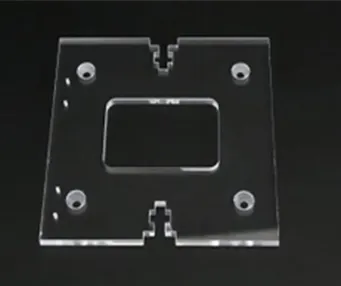
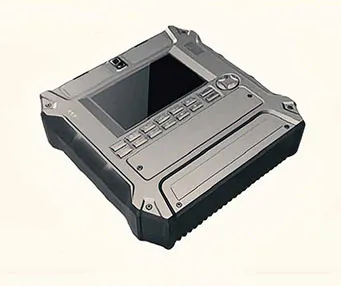
For this project, YS RAPID supported a US medical equipment customer with the manufacture and assembly of a medical device prototype consisting of more than 60 custom parts. The assembly included highly polished clear PC components, ABS housings, silicone buttons and sealing rings, CNC-machined metal parts and sheet metal prototype parts.
The customer provided a bill of materials, 3D CAD files and 2D drawings. Our team reviewed the project as a complete assembly, discussed design and manufacturing questions with the customer through online meetings, and coordinated the different prototype processes through one project contact.
Project Overview
Item | Project Details |
Application | Medical device prototype |
Destination | United States |
Project scope | More than 60 custom parts and final assembly |
Main materials | Clear PC, ABS, silicone and metal materials |
Processes | CNC machining of PC, ABS and metal parts, sheet metal fabrication, and prototype tooling for silicone parts |
Finishing | High polishing, painting and screen printing |
Engineering input | BOM review, DFM analysis, process selection and cost-reduction discussions |
Final support | Fit checking, assembly and shipment coordination |
The Challenge: Managing One Product Across Multiple Processes
The main challenge was not any single component. It was making more than 60 parts—produced from different materials and by different processes—work together as one finished prototype.
The clear PC parts needed a highly polished appearance. The ABS housings had to represent the intended external shape and painted finish. The silicone buttons needed the appropriate feel and fit, while the sealing rings had to match their mating features. CNC-machined metal components and sheet metal parts also had to align correctly with the plastic structure during assembly.
If these parts had been ordered separately without an overall review, small differences in wall thickness, fastening details, clearances or finishing allowances could have created problems during assembly. Our team therefore evaluated the project at product level rather than treating the BOM as a collection of unrelated quotations.
BOM, Drawing and DFM Review
The project began with a review of the customer's BOM, 3D models and 2D drawings. We matched the part numbers across the available files and identified the material, process, finish and assembly relationship for each component.
During online technical discussions, our team worked with the customer to review:
suitable prototype processes for different quantities, materials and part geometries;
visible surfaces and cosmetic requirements;
clearances between housings, buttons, seals and internal components;
fastening and locating features that could affect assembly;
areas requiring polishing, painting or screen printing;
possible process changes that could reduce prototype cost without affecting the purpose of the build.
This early DFM review helped both teams clarify requirements before production began. It also allowed cost-saving decisions to be considered across the complete product instead of reducing the price of one part while creating a problem elsewhere.
Selecting the Right Prototype Process for Each Part
A multi-part medical device prototype does not need to use the same manufacturing method for every component. YS RAPID selected and coordinated processes according to the function, material, appearance and geometry of each part.
CNC-Machined Clear PC Components with a High-Polish Finish
The transparent PC components were produced by CNC machining and then hand polished to achieve the required clear appearance. Machining marks, scratches and polishing variation are much more visible on transparent parts than on opaque components, so both the machining route and the finishing sequence required careful control. Critical mating areas and assembly features also had to be protected during polishing so that the cosmetic work did not affect part fit.
CNC-Machined ABS Prototype Housings
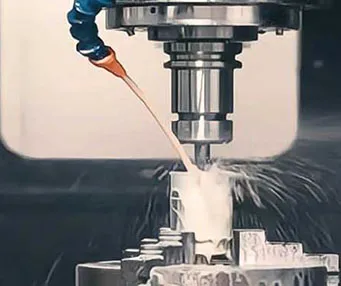
The ABS housings were also manufactured by CNC machining. This process allowed the customer to evaluate the housing geometry and assembly relationships without committing to injection mold tooling at this stage. After machining and preparation, the housings were painted to represent the intended product appearance. Attention was given to visible gaps, joint lines and features used to locate internal components.
Silicone Buttons and Sealing Rings
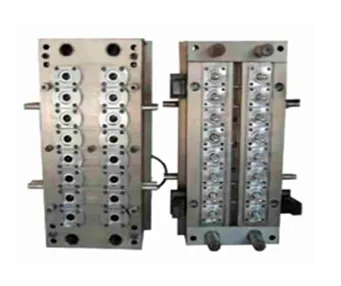
Simple prototype molds were made to produce the silicone buttons and sealing rings. This provided silicone parts in the required geometry for assembly evaluation without requiring full production tooling during the prototype stage. Button geometry, fit and tactile response had to be considered together with the surrounding housing. The sealing rings were checked against their mating grooves and contact surfaces so that fit issues could be identified before the design moved forward.
CNC-Machined Metal Parts
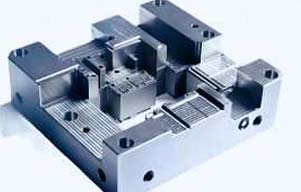
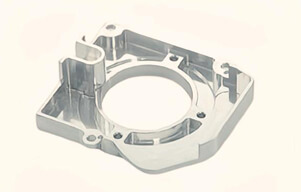
CNC machining was used for metal components requiring defined mechanical features, mounting positions or functional interfaces. These parts were produced according to the drawings and checked in relation to the plastic and sheet metal components they would connect with during assembly.
Sheet Metal Prototype Parts
The project also included sheet metal parts with formed features. Their geometry, bend relationships, hole locations and assembly interfaces were reviewed before fabrication. Where necessary, the parts were checked against the related housings and machined components during trial assembly.
Coordinated Finishing and Appearance Control
For a complete equipment prototype, appearance must be evaluated at assembly level. A color or texture may look acceptable on an individual part but appear inconsistent when placed beside another material.
YS RAPID coordinated high polishing for the clear components, painting for the required housing surfaces and screen printing for graphics and markings. Visible parts were reviewed with their final assembly positions in mind. This helped control the overall presentation of the prototype and reduced the risk of discovering cosmetic mismatches only after all finishing work had been completed.
Trial Assembly and Fit Checking
After the different groups of parts were completed, the project moved into fit checking and trial assembly. The purpose was to confirm that the components could be brought together as intended and to identify practical issues that individual part inspection might not reveal.
The team checked important assembly relationships, including:
housing alignment and visible gaps;
installation of clear PC parts;
button movement and positioning;
fit of silicone sealing rings;
alignment of CNC and sheet metal components;
screw locations, locating features and internal mounting points;
placement and appearance of painted and screen-printed parts.
Because the manufacturing and assembly work was coordinated through one project team, questions found during trial assembly could be traced back to the relevant drawing, process or component more efficiently.
What the Completed Prototype Helped the Customer Evaluate
The completed assembly gave the customer a physical product for reviewing more than the appearance of individual parts. It brought the plastic housings, transparent components, silicone parts, machined metal components and sheet metal structure together in their intended positions.
This allowed the customer to evaluate the overall product appearance, component fit, button positioning, sealing interfaces and internal mounting relationships before proceeding to the next stage of development. Any required design refinements could therefore be considered on the assembled product rather than after production tooling or volume manufacturing had begun.
Cost Reduction Through Early Process Planning
Reducing prototype cost does not simply mean choosing the lowest-priced process for every part. A less expensive method may require more finishing, create greater assembly risk or fail to reproduce a feature needed for testing.
For this project, cost discussions focused on the purpose of each component and the complete prototype. Where practical, we reviewed process alternatives, simplified non-critical requirements and separated cosmetic priorities from functional ones. Critical interfaces and visible surfaces received the necessary attention, while features with less influence on testing or presentation were not over-specified.
This approach helped the customer use the prototype budget where it created the most value.
One Project Team for a Complex Medical Device Prototype
Working with separate suppliers for clear plastic parts, ABS housings, silicone components, CNC machining, sheet metal and finishing would have required the customer to manage multiple quotations, production schedules, technical questions and shipments. It would also have made responsibility for assembly problems more difficult to identify.
YS RAPID provided one point of contact for the complete prototype project. Our role covered technical review, process coordination, production follow-up, finishing, fit checking, assembly and shipment preparation. The customer could discuss the product as one project rather than managing each manufacturing process separately.
This is the focus of YS RAPID: helping product teams turn a group of drawings and a BOM into a physical, assembled prototype ready for design review, presentation and further development.
Rapid Prototyping Support for Medical Device Development
Medical devices often combine cosmetic housings, transparent windows, flexible buttons and seals, machined structural components, sheet metal brackets and printed graphics. Building a useful prototype requires both process knowledge and coordination between these different part types.
YS RAPID supports medical device and equipment developers with:
BOM, 2D drawing and 3D CAD review;
DFM and process feasibility analysis;
multi-process prototype manufacturing;
CNC-machined clear PC and ABS housing prototypes;
prototype tooling for silicone buttons, seals and flexible components;
CNC-machined and sheet metal prototype parts;
painting, polishing, screen printing and other finishing;
fit checking, trial assembly and project coordination;
support for design changes and the next prototype iteration.
Start Your Medical Device Prototype Project
If your product contains multiple plastic, silicone, CNC-machined or sheet metal parts, send us your BOM, 3D CAD files, 2D drawings and finish requirements. Our team can review the complete assembly, discuss suitable prototype processes and help you plan a practical route from design files to an assembled prototype.
 EN
 jp
 ko
 fr
 de
 es
 it
 pt
 tr
 ar
 iw