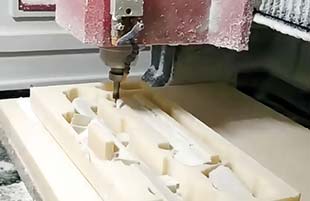
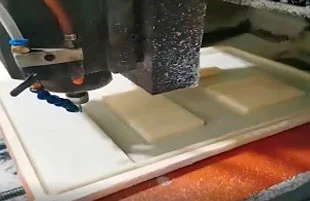
Silicone compression molding is a practical manufacturing route for seals, gaskets, keypads, protective covers, pads, and other flexible components when production volumes do not justify a highly automated molding system. It uses heat and pressure to cure silicone inside a mold, producing functional elastomer parts with controlled hardness and geometry.
Unlike rigid plastic development, silicone projects must account for elasticity, shrinkage, flash, curing behavior, and demolding. These factors influence tool design, dimensional consistency, and cost, so they should be considered before tooling starts.
What Is Silicone Compression Molding?
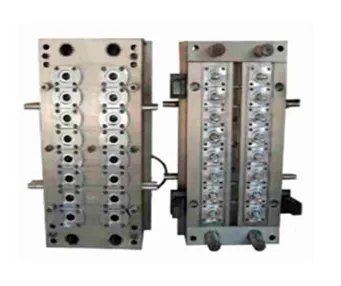
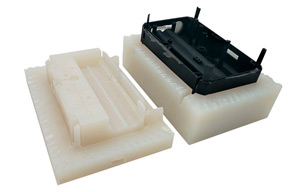
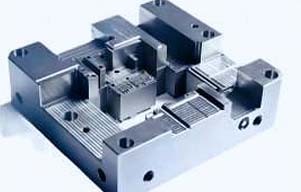
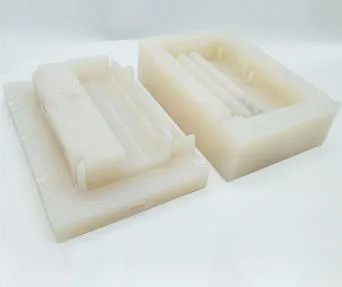
Silicone compression molding is a process in which a measured amount of uncured silicone compound is placed in a heated mold and compressed until it fills the cavity and cures.
For projects requiring flexible parts rather than rigid plastic substitutes, low volume silicone molding can provide components for assembly testing, sealing evaluation, and early production without immediately committing to a high-volume process.

When Is Silicone Compression Molding a Good Fit?
Process suitability means matching quantity, geometry, material behavior, and quality requirements to the strengths of compression molding.
Compression molding is often worth evaluating for low-to-medium quantities, relatively simple silicone geometries, thicker parts, seals, gaskets, and products where tooling investment must remain controlled.
How Does Shore A Hardness Affect the Part?
Shore A hardness describes how soft or firm a flexible silicone material behaves.
Many molded silicone components fall roughly within Shore A 20–80, although specialty materials can extend beyond this range. Softer grades compress and stretch more easily, benefiting seals and soft-touch parts. Firmer grades resist deformation.
How Should Wall Thickness, Draft and Parting Lines Be Designed?
Silicone DFM is the process of designing wall sections, draft, radii, and parting lines so the part can fill, cure, and demold consistently.
Relatively uniform wall thickness helps different sections cure at similar rates. Abrupt thickness changes can extend cure time, while rounded transitions reduce stress concentration.
Silicone can often tolerate less draft than rigid thermoplastics because it flexes during removal, but deep or textured surfaces may still benefit from about 1–3° of draft.
Parting lines should stay away from critical sealing and cosmetic surfaces because compression molding naturally creates some flash at the mold split.
How Much Shrinkage and Tolerance Should Be Expected?
Silicone molding shrinkage is the dimensional reduction that occurs as material cures and cools after molding.
Depending on formulation and process conditions, silicone shrinkage can often fall around 2–4%. Toolmakers compensate by adjusting cavity dimensions, but first-article sampling remains important because actual shrinkage depends on material, geometry, and cure conditions.
Compression-molded silicone generally requires broader tolerances than precision CNC metal parts. Critical sealing dimensions should therefore be identified individually instead of applying tight tolerances to every feature.
Silicone Compression Molding vs LSR Injection Molding vs CNC Plastic Machining
Manufacturing-process comparison helps determine which route best matches the material, quantity, and production stage.
| Factor | Silicone Compression Molding | LSR Injection Molding | Plastic CNC Machining |
|---|
| Typical material | HCR silicone | Liquid silicone rubber | Rigid plastic stock |
| Tooling investment | Low to moderate | Higher | No dedicated mold |
| Low-volume suitability | Excellent | Moderate | Excellent |
| Automation | Moderate | Excellent | Moderate |
| Flexible parts | Excellent | Excellent | No |
| Design changes | Moderate | Moderate | Easy |
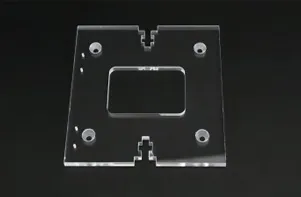
When a component actually requires rigid thermoplastic, engineers may evaluate china plastic cnc machining before choosing a molding route.
If production later moves toward larger quantities of rigid plastic parts, china rapid injection molding can become a bridge-production option once material and geometry are stable.
What Defects and Quality Issues Should Be Controlled?
Silicone molding quality control means managing flash, trapped air, incomplete filling, dimensional drift, and surface defects.
Flash is important in compression molding because excess material can appear along the parting line. The line should therefore be positioned where trimming will not interfere with sealing or visible surfaces.
Poor venting can trap air, while incorrect material charge or curing can affect filling and dimensions. First articles should be checked for critical dimensions, hardness, flash limits, appearance, and functional performance before repeat production.
What Drives Silicone Compression Molding Cost?
Silicone compression molding cost is mainly influenced by tooling complexity, part size, material grade, cavity count, cure time, trimming, inspection, and quantity.

For YS Rapid projects, an RFQ should include the 3D model, 2D drawing, material requirement, Shore A target, quantity, color, critical dimensions, surface requirements, and operating conditions. These details help engineers review manufacturability before tooling begins.
FAQ About Silicone Compression Molding
Silicone compression molding FAQs answer common engineering and purchasing questions before low-volume tooling is ordered.
1. Is compression molding suitable for small batches?
Yes. Its relatively straightforward tooling approach can make it suitable for prototype and low-volume silicone parts.
2. What Shore A hardness should I choose?
It depends on sealing force, flexibility, tear resistance, and feel. Many applications use materials within roughly Shore A 20–80.
3. Does silicone shrink during molding?
Yes. Shrinkage occurs during curing and cooling, so mold dimensions must compensate for the selected material.
4. Can silicone parts have undercuts?
Yes. Silicone elasticity allows some undercuts to be demolded by flexing, although aggressive features should be reviewed during DFM.
5. Is flash normal in compression molding?
Yes. Some flash can form at the parting line, so mold design and trimming requirements should be planned in advance.
6. When is LSR injection molding better?
LSR injection molding is often better when high automation and large repeat quantities justify higher tooling and equipment requirements.
Conclusion
Silicone compression molding is a strong option when engineers need functional elastomer parts for prototype, validation, or smaller production quantities. Successful projects depend on choosing the right hardness and compound while accounting for shrinkage, flash, wall thickness, draft, tolerance, and curing behavior.
By defining these requirements before mold construction, product teams can reduce tooling revisions and improve repeatability. YS Rapid can support silicone compression molding and low-volume part development for applications that need flexible components before full-scale production.
References / External Resources
ASTM D2240 – Standard Test Method for Rubber Property—Durometer Hardness
https://store.astm.org/standards/d2240
ISO 3302-1:2014 – Rubber — Tolerances for Products — Part 1: Dimensional Tolerances
https://www.iso.org/standard/62492.html
Compression Molding – Wikipedia
https://en.wikipedia.org/wiki/Compression_molding
 EN
EN
 jp
jp  ko
ko  fr
fr  de
de  es
es  it
it  pt
pt  tr
tr  ar
ar  iw
iw