When product developers need high-quality plastic parts without investing in expensive injection molds, vacuum casting becomes one of the most practical manufacturing solutions. Combining precision, flexibility, and cost efficiency, this process is widely used for functional prototypes, design validation, and low-volume production across industries such as automotive, electronics, medical devices, and consumer products.
As a professional China vacuum casting provider, YS Rapid offers vacuum casting services that bridge the gap between rapid prototyping and mass production. Using advanced vacuum equipment, premium polyurethane resins, and strict quality control, the company helps customers obtain production-like parts in significantly shorter lead times.
What Is Vacuum Casting?
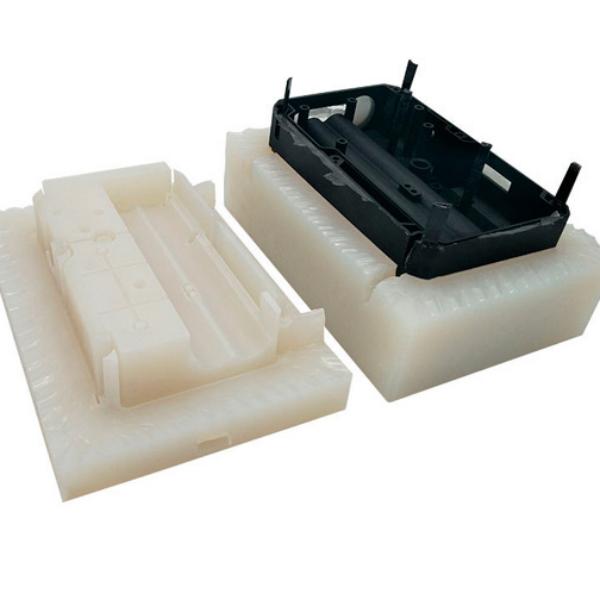
Vacuum casting (also known as urethane casting or polyurethane casting) is a manufacturing process that creates plastic components by pouring liquid polyurethane resin into a silicone mold under vacuum conditions. The vacuum removes trapped air during filling, allowing the resin to reproduce intricate details while minimizing bubbles and surface defects.
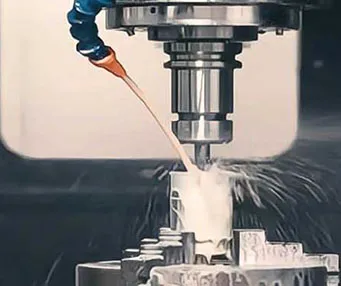
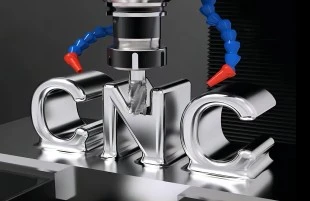
Unlike injection molding, which requires expensive steel or aluminum tooling, vacuum casting uses flexible silicone molds produced from a master model. The master is typically manufactured through SLA 3D printing or CNC machining before being replicated into multiple polyurethane parts.
This process is especially suitable for:
Because silicone tooling is inexpensive and fast to manufacture, vacuum casting significantly reduces development costs while maintaining excellent part quality.
How the Vacuum Casting Process Works
Understanding each manufacturing stage helps explain why vacuum casting delivers production-quality prototypes in a relatively short timeframe.
Step 1: Create the Master Pattern
Everything begins with a highly accurate master model. Manufacturers usually produce this master using SLA 3D printing because of its excellent dimensional accuracy and smooth surface finish. CNC machining is another option when tighter tolerances or specific engineering plastics are required.
The master is carefully polished, painted if necessary, and inspected because every surface detail will transfer directly into the silicone mold.
Step 2: Produce the Silicone Mold
The master pattern is suspended inside a mold box before liquid silicone is poured around it.
The mold then enters a vacuum chamber where air bubbles are removed completely. Eliminating trapped air ensures the silicone captures even tiny features, sharp corners, and textured surfaces.
After curing, technicians carefully separate the mold and remove the master pattern, leaving an accurate cavity ready for production.
Step 3: Vacuum Resin Casting
Two-component polyurethane resin is mixed according to the required material properties before being poured into the silicone mold.
The mold is placed inside a vacuum chamber, allowing the vacuum system to extract air from both the mold cavity and liquid resin. This critical step prevents porosity and improves surface quality.
The filled mold is then transferred into a controlled heating chamber for curing.
Step 4: Demolding and Finishing
Once fully cured, the silicone mold is opened, and the cast component is removed.
Engineers then perform several finishing operations, including:
Gate removal
Flash trimming
Surface polishing
Painting
Texture finishing
Color matching
Quality inspection
The completed component is ready for functional testing or customer evaluation.
Why Vacuum Conditions Matter
The defining feature of vacuum casting prototyping is the vacuum environment itself.
Without vacuum, trapped air can produce:
Vacuum removes these defects before curing, producing dense, smooth, and highly detailed components that closely resemble injection-molded parts.
This makes vacuum casting particularly valuable for products requiring attractive cosmetic finishes or transparent components.
Materials Used in Vacuum Casting
One of the strengths of a professional vacuum casting manufacturer is access to numerous polyurethane resin systems that replicate engineering plastics.
Common material options include:
ABS-Like Resin
Suitable for housings, consumer electronics, and engineering prototypes requiring balanced strength and toughness.
PC-Like Resin
Offers improved impact resistance and transparency, making it useful for protective covers and optical applications.
PP-Like Resin
Provides flexibility and fatigue resistance, making it ideal for snap-fit components and living hinges.
Rubber-Like Resin
Soft polyurethane materials simulate elastomers for seals, grips, wearable products, and flexible components.
Heat-Resistant Resin
Designed for prototypes that require elevated temperature performance during functional evaluation.
Professional vacuum casting suppliers can also provide flame-retardant, transparent, colored, and textured materials depending on project requirements.
Key Technical Advantages of Vacuum Casting
From an engineering perspective, vacuum casting provides several important manufacturing advantages.
Excellent Surface Finish
Since silicone molds accurately replicate the master pattern, parts typically exhibit smooth surfaces without visible layer lines, reducing post-processing requirements.
High Dimensional Accuracy
Professional vacuum casting service providers generally achieve dimensional accuracy around ±0.2 mm, which is sufficient for most prototype and low-volume production applications.
Rapid Tooling
Unlike injection molding tools that may require weeks of machining, silicone molds can often be completed within days, dramatically shortening development cycles.
Design Flexibility
Engineers can quickly modify CAD models, produce a new master, and generate updated molds without investing in expensive production tooling.
Cost Efficiency
Because silicone molds are inexpensive, vacuum casting offers excellent value for production quantities ranging from a few parts to several dozen components.
Vacuum Casting vs. Injection Molding
Although both technologies produce plastic parts, they serve different manufacturing objectives.
| Feature | Vacuum Casting | Injection Molding |
| Tooling | Silicone mold | Steel or aluminum mold |
| Initial investment | Low | High |
| Production quantity | 1–100 parts | Thousands to millions |
| Lead time | Days | Weeks |
| Design changes | Easy | Expensive |
| Unit cost | Higher at large volumes | Lower at mass production |
For prototype validation, engineering samples, and bridge production, vacuum casting often delivers the best balance between speed and manufacturing cost.
Typical Applications Across Industries
The versatility of vacuum casting China services makes the process suitable for many industries.
Automotive
Manufacturers use vacuum casting for dashboard components, interior trim, lighting housings, connectors, and ergonomic testing before launching mass production.
Consumer Electronics
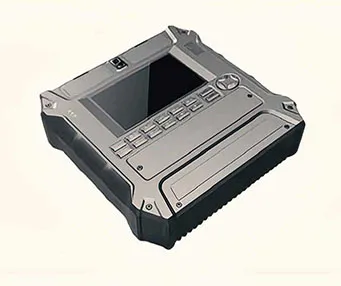
Electronic product developers frequently manufacture prototype enclosures, wearable device housings, and handheld equipment using vacuum casting.
Medical Devices
Medical companies evaluate product ergonomics, equipment housings, and demonstration models before investing in production tooling.
Industrial Equipment
Functional assemblies, covers, handles, and customized engineering components are often produced through vacuum casting for equipment validation.
Consumer Products
Home appliances, smart devices, sporting goods, and lifestyle products benefit from rapid design verification and small-batch manufacturing.

Selecting the Right Vacuum Casting Company
Choosing an experienced vacuum casting company involves more than comparing prices.
Consider suppliers that offer:
ISO-certified quality management
Experienced engineering support
Broad polyurethane material selection
Color and texture customization
Rapid project management
Consistent dimensional inspection
Multiple finishing options
Integrated rapid manufacturing capabilities
A reliable vacuum casting factory should also support customers from prototype development through low-volume manufacturing, reducing communication delays and simplifying project management.
For companies requiring complementary processes such as CNC machining, 3D printing, sheet metal fabrication, or injection molding, an integrated manufacturing partner offers additional efficiency throughout product development.
As a comprehensive vacuum casting supplier, YS Rapid combines vacuum casting with CNC machining, rapid prototyping, injection molding, and other manufacturing technologies, allowing customers to transition smoothly from concept validation to production while maintaining consistent quality and shorter lead times.
Conclusion
Vacuum casting remains one of the most effective manufacturing technologies for producing high-quality prototypes and low-volume plastic parts. By combining silicone tooling, polyurethane materials, and vacuum-assisted molding, the process delivers production-like appearance, reliable mechanical properties, and exceptional design flexibility without the high investment associated with injection molding.
Whether developing a new consumer product, validating an engineering design, or launching a limited production run, partnering with an experienced China vacuum casting manufacturer can significantly reduce development time and manufacturing costs. With advanced equipment, strict quality control, and comprehensive engineering support, companies like YS Rapid help transform digital designs into accurate, functional components ready for testing and market introduction.
 EN
EN
 jp
jp  ko
ko  fr
fr  de
de  es
es  it
it  pt
pt  tr
tr  ar
ar  iw
iw