Why Every Robot Depends on Precision-Manufactured Modules
The rapid development of robotics and automation is reshaping industries worldwide, including smart manufacturing, logistics, healthcare, agriculture, and service applications. Modern robots are no longer simple mechanical devices; they are integrated systems combining mechanical structures, electronic components, sensors, and intelligent control technologies.
Behind every advanced robotic system is a complex manufacturing process that transforms digital designs into precise physical components. The precision machining industry plays a vital role in producing the mechanical parts that determine robotic accuracy, durability, and operational performance.
A robot is usually composed of multiple functional modules, including:
Motion systems
Structural assemblies
Sensing systems
Control units
End-of-arm tooling
Each module has different requirements for materials, accuracy, and production methods. Therefore, successful robotics manufacturing often requires a combination of technologies, such as CNC machining, plastic machining, 3D printing, and metal casting.
As an experienced manufacturing partner, YS Rapid provides integrated production solutions for robotics and automation industries, supporting product development from prototypes to low-volume and production manufacturing. Its capabilities include precision machining, plastic CNC machining, rapid prototyping, and die casting services to help customers achieve reliable and scalable robotic designs.
Motion Systems Demand High-Accuracy Metal Components
The motion system is one of the most critical parts of any robot. Whether used in industrial robot arms, autonomous mobile robots, or collaborative robots, motion components must maintain accurate positioning and smooth movement throughout continuous operation.
Typical motion-related components include:
Gear housings
Servo motor brackets
Bearing supports
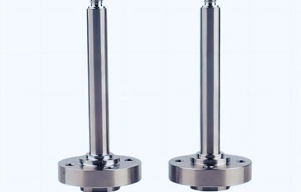
Shafts
Joint components
Linear guide mounts
These parts require extremely high dimensional accuracy because even small manufacturing deviations can influence robotic movement, positioning precision, and overall system stability.
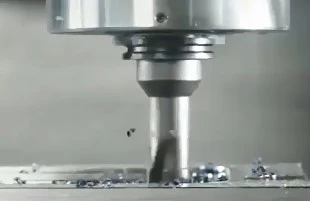
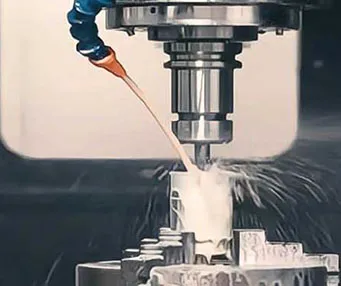
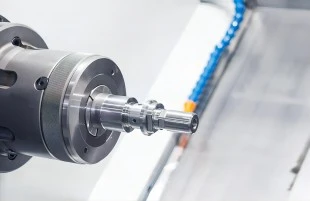
CNC machining remains one of the preferred solutions for producing these components because it provides excellent repeatability and flexibility. Through multi-axis machining, manufacturers can create complex geometries while maintaining strict tolerances.
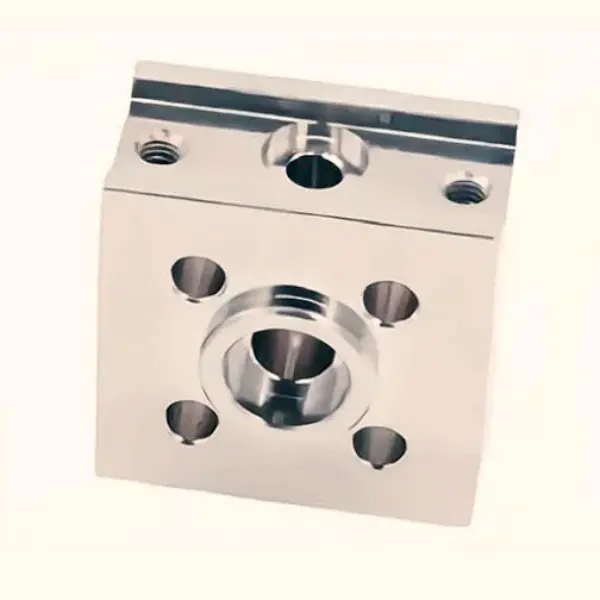
For robotics companies developing new products, low-volume aluminum machining is especially valuable. Aluminum alloys offer an ideal balance between strength and weight, making them widely used for robot frames, arms, and support structures.
During early development stages, low-volume production allows engineers to test mechanical performance without committing to expensive tooling. This approach reduces development risks and enables faster design improvements.
With advanced CNC machining capabilities, YS Rapid supports robotics manufacturers in producing precision metal components that meet demanding accuracy and performance requirements.
Intelligent Sensing Systems Need Lightweight Plastic Components
Modern robots rely heavily on sensing technologies to understand and interact with their environment. Cameras, LiDAR systems, force sensors, and proximity sensors enable robots to navigate, recognize objects, and perform complex tasks.
However, these electronic systems require carefully designed mechanical protection and mounting structures.
Common plastic components used in robotic sensing systems include:
Sensor housings
Camera brackets
Protective covers
Cable management parts
Insulation components
Compared with traditional metal parts, engineering plastics provide several advantages:
Lower weight
Electrical insulation
Chemical resistance
Reduced vibration
Design flexibility
This makes plastic machining an increasingly important technology in robotics manufacturing.
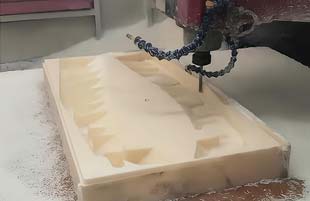
Professional China plastic machining suppliers help robotics companies produce customized plastic components with excellent accuracy and surface quality. Materials such as POM, ABS, Nylon, PEEK, and PTFE are commonly selected based on mechanical requirements and operating environments.
For example, PEEK components may be used where high temperature resistance is required, while ABS and Nylon are suitable for lightweight protective structures.
Through plastic CNC machining, engineers can quickly manufacture functional prototypes and production parts without requiring expensive injection molds.
As a reliable plastic CNC machining supplier, YS Rapid provides customized plastic machining solutions for robotic systems, supporting applications ranging from sensor assemblies to protective structures.
Robot Enclosures Benefit from Zinc Die Casting
As robotics products move from prototype development toward commercial production, manufacturers often need more efficient methods for producing larger quantities of components.
For applications requiring consistent quality and attractive finishes, zinc pressure die casting is an effective manufacturing solution.
Zinc die casting is commonly used for robotic components such as:
Controller housings
Motor covers
Electrical enclosures
Gearbox cases
Mounting brackets
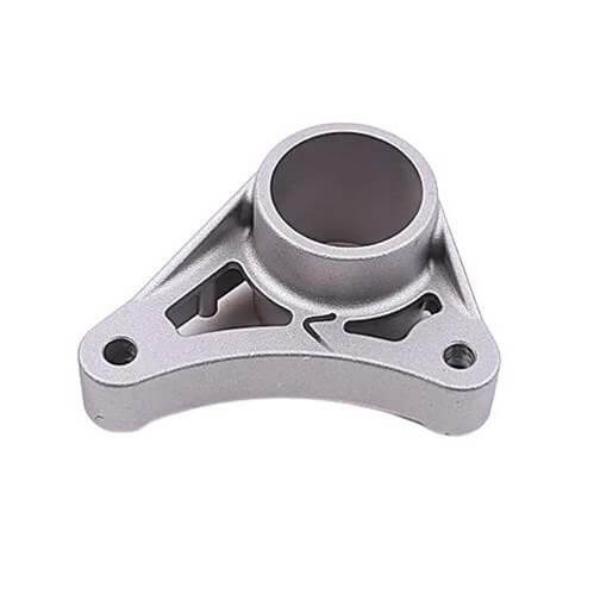
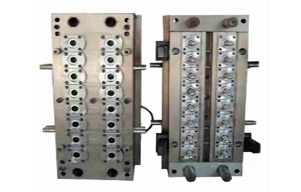
The process involves injecting molten zinc alloy into a precision-designed mold under high pressure. This enables manufacturers to produce complex shapes with excellent repeatability.
Compared with CNC machining, custom zinc die casting offers several production advantages:
For robotics companies, zinc die casting is often introduced after prototype validation. Engineers may first use CNC machining or 3D printing to test a design, then transition to die casting once the product reaches stable production requirements.
Experienced zinc die casting factories can also combine casting with secondary CNC machining to achieve critical tolerances on specific surfaces.
YS Rapid provides manufacturing solutions that help robotics companies move efficiently from development stages to scalable production.
End-of-Arm Tooling Evolves Faster with 3D Printing
The end-of-arm tool (EOAT) is one of the most customized parts of a robotic system. Different applications require different grippers, suction tools, welding heads, or specialized fixtures.
Because these tools frequently change according to customer requirements, traditional manufacturing methods may slow down innovation.
This is where 3D printing in robotics provides significant advantages.
Additive manufacturing allows engineers to quickly create:
Robotic grippers
Custom fixtures
Lightweight tool holders
Prototype brackets
Cable routing structures
Compared with conventional manufacturing, 3D printing enables faster design iterations and allows engineers to experiment with complex geometries.
For example, lightweight 3D-printed grippers can reduce robot payload requirements and improve energy efficiency. Customized fixtures can also be produced rapidly for automated assembly and inspection processes.
The combination of automation 3D printing and precision machining creates a flexible development workflow. Engineers can use 3D printing for concept testing and then apply CNC machining or die casting for final production components.
This hybrid approach helps robotics companies shorten development cycles while maintaining high product quality.
Manufacturing Strategies Change Throughout the Robot Product Lifecycle
Robotic products typically experience several development stages, and each stage requires different manufacturing strategies.
Concept Development
During the early design phase, companies focus on testing ideas quickly.
Common manufacturing methods:
3D printing
Rapid prototyping
CNC prototype machining
These methods allow engineers to evaluate form, function, and assembly before large investments.
Engineering Validation
At this stage, manufacturers require more functional components.
Suitable processes include:
These technologies provide production-like parts for performance testing.
Pilot Production
Once designs become stable, companies begin producing limited quantities for customer testing and market introduction.
Manufacturing options include:
CNC machining
Plastic machining
Zinc die casting
Commercial Production
For larger production volumes, manufacturers focus on efficiency and cost control.
Processes such as die casting and optimized CNC production become increasingly important.
A manufacturing partner capable of supporting every stage allows robotics companies to reduce supplier changes and improve project efficiency.
Choosing the Right Manufacturing Partner for Robotics
Robotics manufacturers require more than a single production process. They need suppliers capable of understanding complex engineering requirements and providing flexible manufacturing support.
Key factors when selecting a supplier include:
CNC machining expertise
Plastic machining capabilities
Die casting experience
Rapid prototyping support
Material knowledge
Quality inspection systems
Low-volume manufacturing experience
A supplier with multiple manufacturing capabilities can recommend the most suitable process according to component function, production volume, and cost requirements.
YS Rapid provides comprehensive manufacturing services for robotics and automation industries, including CNC machining, China plastic CNC machining, zinc die casting, rapid prototyping, and low-volume production. By combining different manufacturing technologies, YS Rapid helps customers develop accurate, durable, and production-ready robotic components.
Conclusion
The future of robotics depends not only on advanced software and artificial intelligence but also on the precision manufacturing technologies behind every physical component.
From motion systems and sensing structures to protective housings and customized end-effectors, each robotic module requires carefully selected materials and manufacturing processes.
CNC machining provides accuracy for critical metal components, plastic machining enables lightweight and functional designs, zinc die casting supports scalable production, and 3D printing accelerates innovation during development.
By integrating these technologies, experienced manufacturers such as YS Rapid help robotics companies transform innovative concepts into reliable automation solutions that meet the growing demands of modern industries.
 EN
EN
 jp
jp  ko
ko  fr
fr  de
de  es
es  it
it  pt
pt  tr
tr  ar
ar  iw
iw 
.jpg "Comparison of Rapid Prototyping and Small Batch Manufacturing with Traditional Manufacturing Methods")