Prototyping a Cover with a Large Display Opening
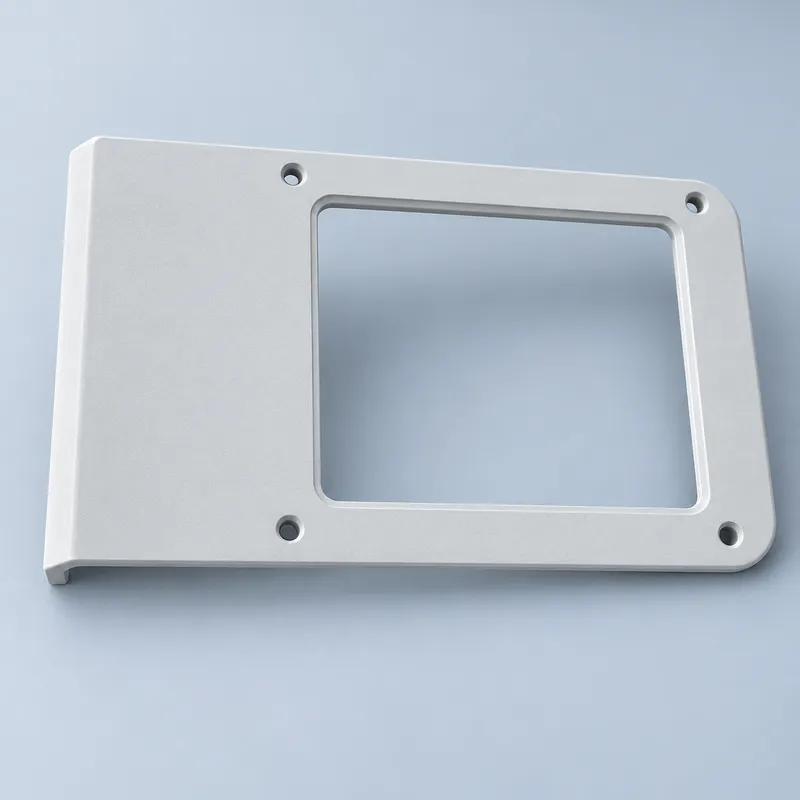
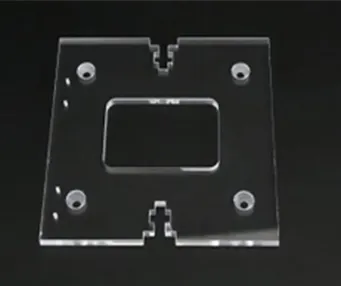
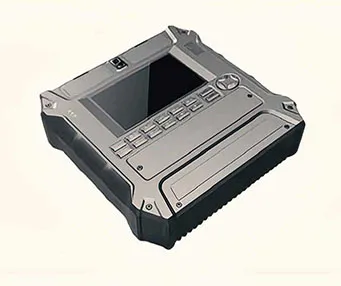
The large rectangular opening is the main feature of this upper cover. It may accommodate a display, control interface or another functional module. Its size and position therefore need to match the surrounding product structure.
Rounded internal corners were machined into the opening, while the narrow frame around it had to remain even. Several mounting holes were positioned near the edges for installation during prototype testing.
The cover also has an asymmetrical outer profile and a formed side edge. Completing these features required planned machining setups and stable workholding rather than simple two-dimensional profile cutting.
Why CNC Machining Was Used for 15 ABS Prototypes
With only 15 pieces required, building an injection mold would have added unnecessary tooling cost and preparation time. Plastic CNC machining made it possible to manufacture the covers directly from the supplied CAD data.
The completed prototypes allowed the development team to evaluate:
· The dimensions and position of the display opening
· The outer profile and edge structure
· Mounting-hole locations
· Part thickness and corner transitions
· Surface quality after painting
· The position and clarity of the printed graphics
A plastic CNC prototype gives engineers a physical part that can be measured, installed and reviewed before the design is released for tooling or production.
CNC Machining the ABS Upper Cover
Before machining, we reviewed the 3D model and drawings to identify the mounting features, visible surfaces and areas requiring secondary finishing.
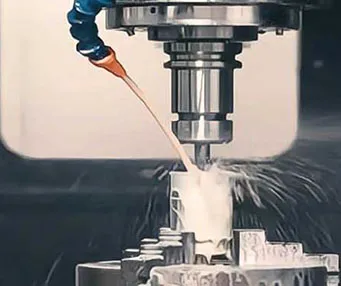
Each cover was machined from solid ABS material. The outer contour, rectangular opening, mounting holes and side features were completed through planned operations. Suitable cutting parameters and secure workholding were used to reduce heat buildup, edge damage and deformation.
Special attention was given to the narrow sections around the window. These areas needed to retain their shape and provide enough material for subsequent polishing.
After CNC machining, the main dimensions and hole positions were checked against the drawings before the parts moved to surface finishing.
Preparing the Surface for Painting
Tool paths and local transition marks can remain visible on CNC machined ABS. Although these marks may not affect function, they can show through the paint if the surface is not prepared properly.
The covers were manually sanded and polished to create a consistent base. The finishing team paid particular attention to the perimeter of the opening, rounded corners, outside edges and areas around the mounting holes.
Careful sanding was required to remove machining marks without changing the dimensions of the window or softening important edges.
Custom Painting and Silk-Screen Printing
After polishing and cleaning, the covers were painted according to the specified color and surface requirement. Coating coverage was checked across the broad front face, around the display opening and along the outer edges.
Once the paint had cured, the required graphics were applied by silk-screen printing. The printing position, orientation and color followed the customer’s artwork.
These finishing processes allowed the team to review not only the mechanical design but also the color, graphic layout and overall product appearance.
Plastic CNC Prototyping Services
YS Rapid provides plastic prototype machining services for electronic products, medical instruments, automation equipment and other product-development projects.
Our support includes:
· DFM review of 3D models and 2D drawings
· CNC machining of ABS, PC, PMMA, POM, PA and other plastics
· Sanding and polishing
· Painting in specified colors
· Silk-screen printing and laser marking
· Dimensional and cosmetic inspection
By coordinating machining and surface finishing as one project, we help engineering teams turn CAD designs into physical prototypes ready for testing, review and presentation.
If you need a plastic CNC machining service for a housing, cover or display panel, send us your CAD files, drawings, quantity and finishing requirements. We can review the design and prepare a suitable prototyping plan.
 EN
EN
 jp
jp  ko
ko  fr
fr  de
de  es
es  it
it  pt
pt  tr
tr  ar
ar  iw
iw